SecurityWise: Why preventing crime can be like a game of whack a mole
05 Aug 2021
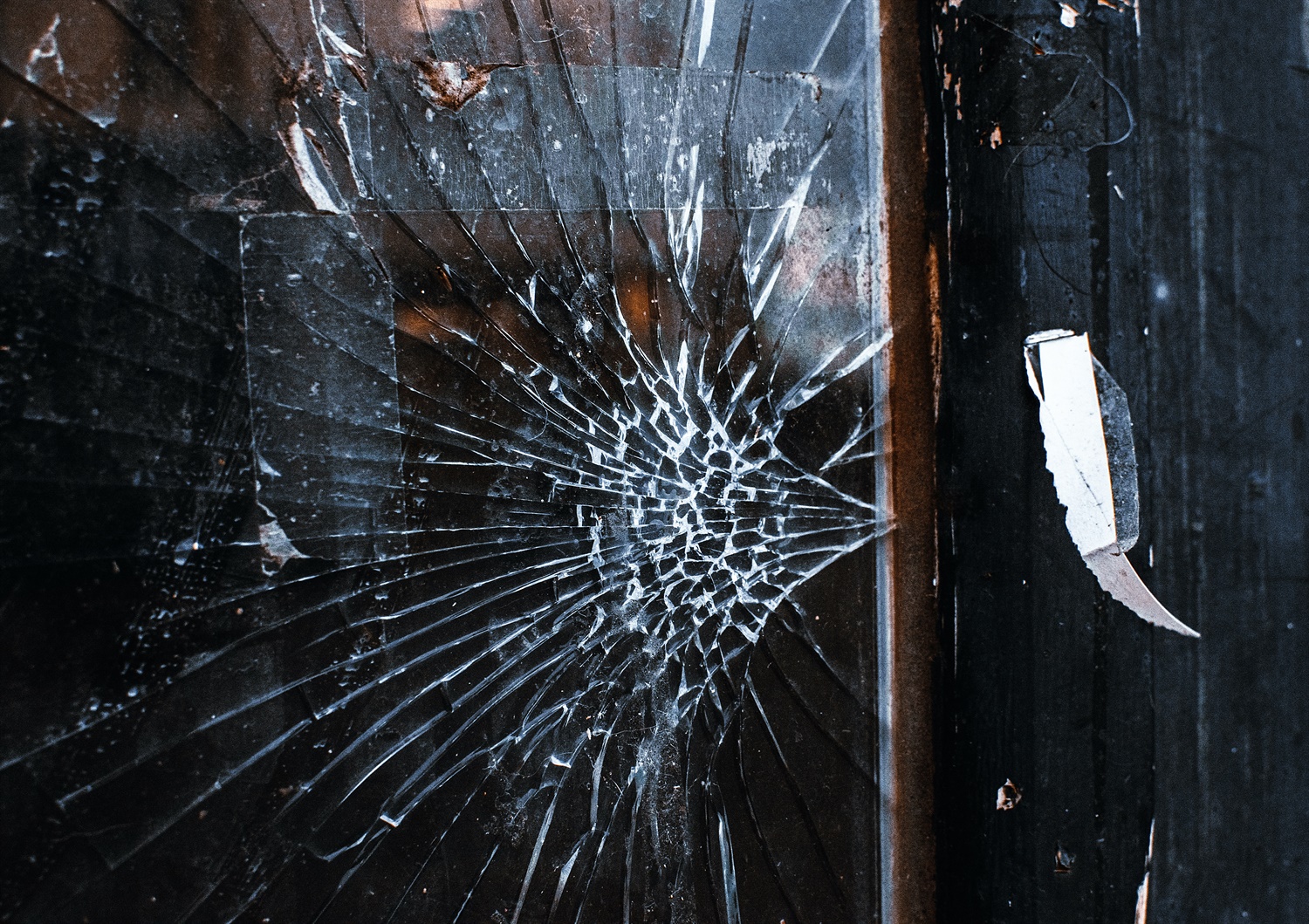
Lee Wallace of leading insurance broker TH March says that installing the most secure glazing in your store is one way of beating the mole. Upgrading security can feel like a game of whack a mole. No sooner has a mole being whacked on the head (one area of security been improved), than another mole pops up (another area of vulnerability is exploited by the criminals).
And this endless game of security whack a mole is difficult to win. The reality is that, like whack a mole, no business can prevent all crime. All that you can do is to try and anticipate where the mole will pop up next. This means constantly anticipating the mole’s next move and being prepared for when it pops its head up.
An area that is often overlooked
One area that is often gets overlooked until after an event is window and display case glazing. Perhaps this is because replacing and upgrading glazing is expensive. Therefore, it is often left until there is a smash and grab, a shop refit or other damage to glazing for the glass to be upgraded.
Glazing includes regular plate glass, toughened glass and laminated glass. It is not always easy to decide which is right for your business in terms of safety and security.
Plate glass
Plate glass is a single sheet of glass which breaks extremely easily, leaving large and very sharp pieces either stuck in the frame or knocked out. This glass should never be used in display windows or display cases as it is both very unsecure and highly dangerous. Should someone accidentally fall into it, the sharp edges can cause serious injury.
Toughened Glass
Also known as tempered glass, toughened glass is up to five times stronger than plate glass. It is made by heating regular glass to 650°C and then cooling it very quickly. Not only does this treatment make the glass stronger, it is also safer. That’s because it breaks into thousands of blunter, small pieces, greatly reducing the risk of injury.
Although it is safer, toughened glass is not very secure. It is up to five times stronger than plate glass but is still relatively easy to smash with a sledge hammer or axe, and when it does break it leaves a hole the size of the pane. That is why this glass should only be used for displaying low value items.
Laminated Glass
This is where things start to get a bit complicated as there are a number of types of laminated glass, all of which give a different level of security protection. Laminated glass is made up of an interlayer, usually plastic PvB, between two sheets of glass, which can be either toughened or plate.
Laminated safety glass
As the name suggests, laminated safety glass is designed to give enhanced safety. Although laminated it only offers limited additional security protection. This glass usually has a PvB interlayer of 0.8mm in thickness, which is designed to hold the glass together when broken and comes in several total thicknesses, 6.8mm, 8.8mm and 10.8mm or above.
The plastic interlayer holds the broken pieces in place, making it safer, but it also offers a little more security than toughened glass. I would therefore suggest that 6.8mm laminated safety glass is more secure than 10mm or higher toughened glass. If a sledge-hammer hits toughened glass, it will disintegrate the whole pane in to thousands of pieces, giving free access to items behind. The same hammer will only make smaller holes in laminated safety glass.
Laminated security glass
Sometimes called anti-bandit glass, this is the most common type of security glazing used by retail jewellers. The difference between laminated security and laminated safety glass is that, unlike the 0.8mm of PvB interlayer safety glass, laminated security glass typically has 1.5mm of PvB interlayer. It is most commonly found in 7.5mm, 9.5mm and 11.5mm thickness, although much thicker options are available, which can be made up of multiple PvB and glass layers.
The 1.5mm plastic interlayer gives enhanced protection, so it takes many more blows from a hammer or axe to penetrate the glass. However, it can still be breached in a relatively short space of time. It is worth noting that, due to the thicker interlayer, 7.5mm laminated security glass is significantly stronger than 8.8mm or even 10.8mm laminated safety glass.
While this glass offers enhanced security protection, very high value jewellery should not be displayed behind it. This includes especially valuable or attractive single items, such as luxury watches, which the criminal could grab by just making a small hole in the glass.
Laminated glass with Polycarbonate interlayer (PolyC) is significantly stronger than that with just a PvB interlayer in. This glass is almost impenetrable by a sledge hammer or even a fire axe. Therefore, we recommend that this type of glass is used for very high value window displays and those with target goods, such as prestige watches.
The table below gives details of relative glass strength in laboratory conditions
| Old British Standard |
European Standard |
Thickness
mm |
Interlayer |
Interlayer Thickness
mm |
No. of blows with a fire axe resisted* |
"Safety Glass"
BS5606 |
|
6.4
8.8
10.8 |
PvB
PvB
PvB |
0.76
0.76
0.76 |
0
0
? |
"Security Glass"
BS5544 |
P4A |
7.5
9.5
11.5 |
PvB
PvB
PvB |
1.50
1.50
1.50 |
1
2?
3? |
| |
P4B |
18/23
14 |
PvB
PolyC |
|
30-50 |
| |
P7B |
28
16 |
PvB
PolyC |
|
51-70 |
| |
P8B |
36
18 |
PvB
PolyC |
|
Over 70 |
*Before a hand-sized hole is created
Don’t wait for the mole
When it comes to security, do not wait for a mole to pop its head up before reacting. Instead, anticipate where it is likely to appear. Plan to improve your main shop window display with appropriate glass. But remember, although upgrading the main window will prevent the mole from striking there, they are also likely to venture inside the shop to attack vulnerable windows, back doors and internal show cases, which are often only glazed with toughened glass. Therefore, equal attention should be given to these areas. You may even need to consider installing the same strength glass in these areas as the main window display.
TH March has partnered with Evander to offer a Nationwide glazing service. This service is available 24 hours a day, 365 days a year. Visit www.evander.com for more information, and reference that you are a TH March client when making contact.
Lee Wallace is Senior Account Manager and Security Lead at TH March and Chairman of the Association of Insurance Surveyors. Find out more about Insurance for Jewellers at TH March.
Did you know about the TH March club?
The TH March Club brings a whole host of exclusive enhanced insurance benefits for those who hold both a Jewellers' Block policy and NAJ membership, helping keep you and your assets secure.
View TH March Club
Source: TH March