Precious Materials Insight: Gold rush boosts case for using recycled metal
31 Jul 2020
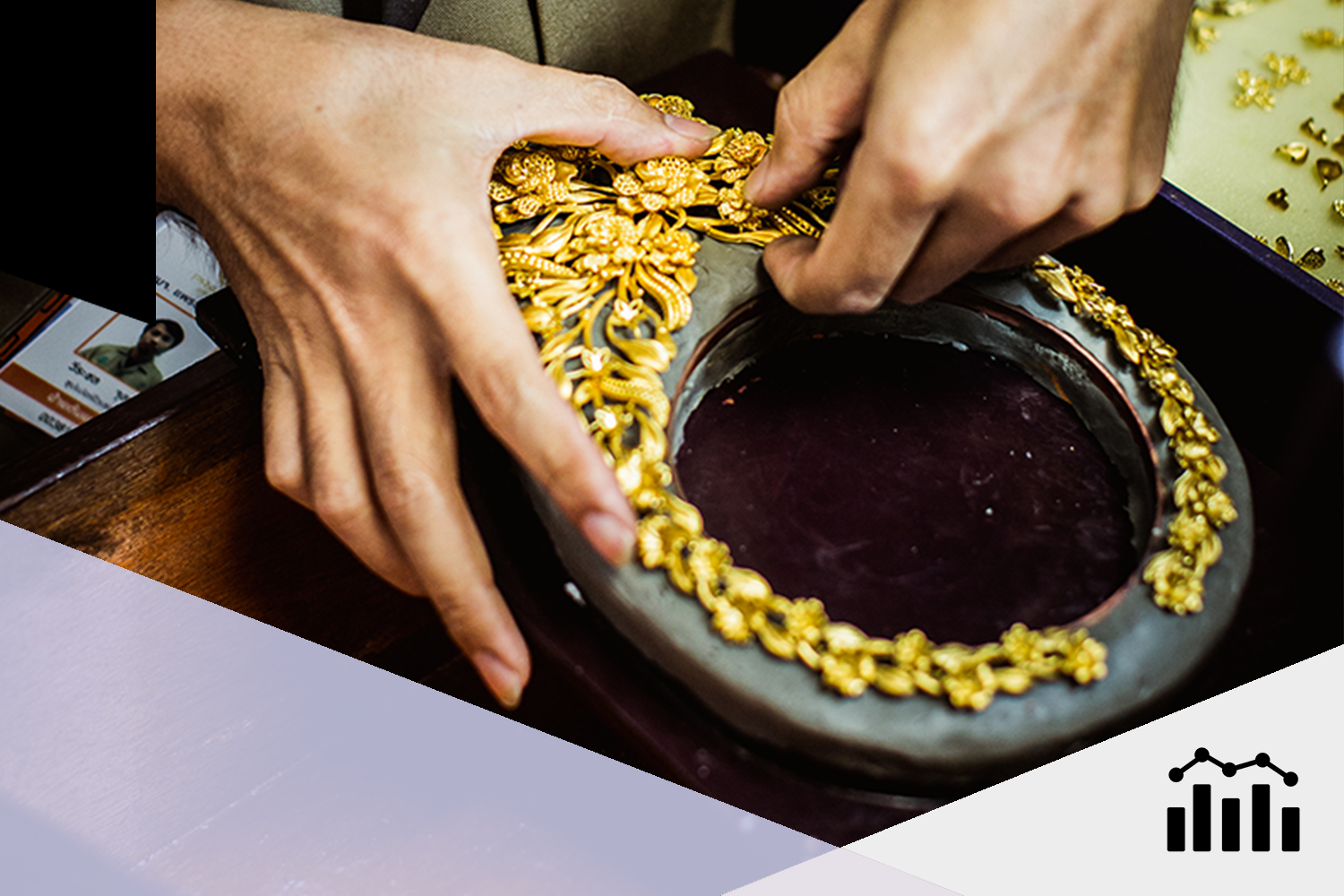
As gold prices soared to record levels and now appear set to test an unprecedented $2,000 an ounce, the case for using recycled gold strengthens as lofty gold prices will increase incentives for mining activity that can degrade the environment. But consumers may also consider buying jewellery made from gold that was mined artisanally, in order to help improve the livelihoods of impoverished miners in developing countries. David Brough reports.
Soaring gold prices strengthen the case for using recycled gold as higher returns from extracting the precious metal will boost incentives for mine production that can harm the environment.
Gold prices hit a record high in July and appear poised to test $2,000 per ounce, underpinned by the impact of coronavirus on the global economy, U.S.-China tensions and expectations for more monetary stimulus by central banks.
Many analysts believe that gold prices will move higher as numbers of coronavirus cases continue to rise and damage the world economy, triggering a flight of investor funds to the relative safety of the “safe haven” yellow metal.
The surge in prices of bullion will encourage miners to raise output in order to maximise financial returns and profitability.
Consumers who buy recycled gold jewellery believe that they may not be augmenting the impact on the environment caused by new mining production.
Studies have shown a clear trend by Millennial consumers, sensitive to the environment, to prefer to buy recycled gold, diamonds and gemstones.
But the issue is not as simple as it appears, because mining activities improve the livelihoods of millions of impoverished workers, notably of artisanal miners who account for some 12-15 percent of annual global gold production.
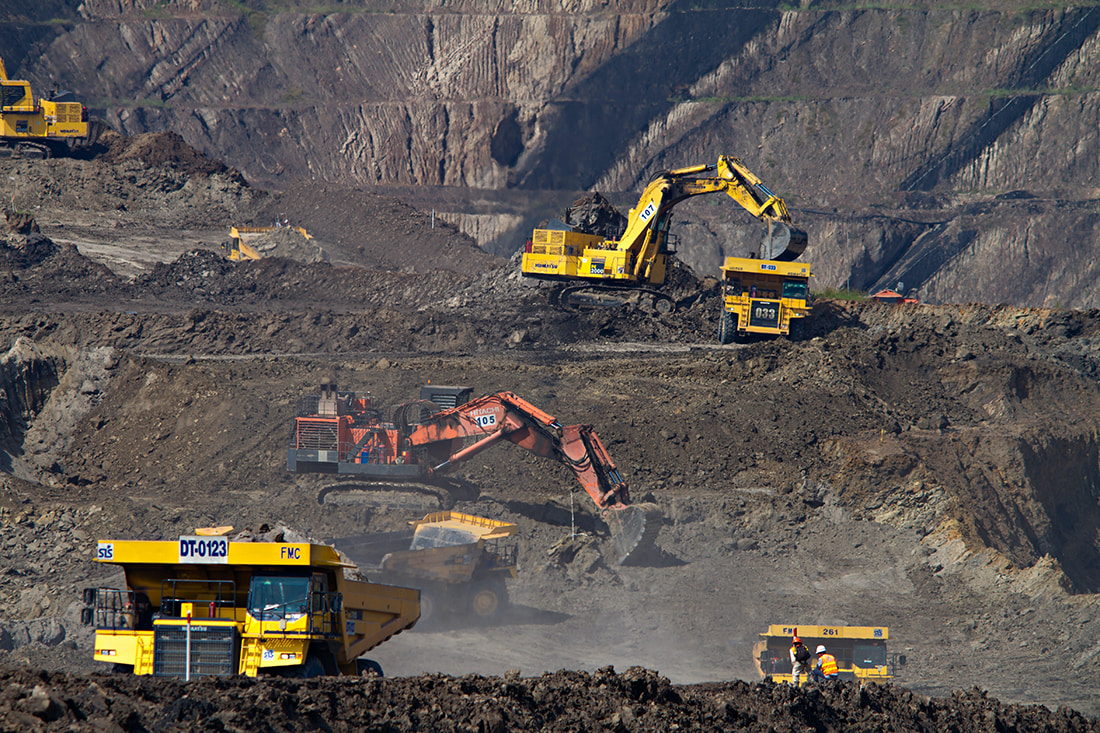
According to the Alliance for Responsible Mining, artisanal gold mining is justified as it generates a living for around 100 million people worldwide.
An artisanal or small-scale miner is a subsistence miner who is not employed by a mining company, but works independently, often by hand.
One kilogram of gold created by Artisanal and Small-Scale Mining (ASM) provides jobs for 50 miners for one year. In industrial mining one worker can produce 7 kilograms of gold in one year.
For gold jewellery consumers, Fairmined gold could provide a responsible option.
The Alliance for Responsible Mining says,
“So if ASM extraction is controlled environmentally, responsible and certified, like the Fairmined label guarantees, jewellers can use this certified ASM gold claiming a high job generation impact, a strong driver for development and a source of origin”.
The Fairmined label certifies gold from empowered, responsible artisanal and small-scale mining, ensuring social development and environmental protection.
Challenges
The environmental impact of gold mining, whether industrial or ASM, is a big concern, however.
In industrial gold mining, the extraction of 20 grams of gold can generate 40 metric tonnes of mining waste. Such mining also consumes toxic cyanide, used to extract gold from ore.
ASM activities degrade the environment through the use of toxic pollutant mercury: it is estimated that for one kilogram of ASM gold, 3 kilograms of mercury are used.
A difficulty with the argument for consumers to use solely recycled gold is that it does not help mining practices to become more responsible.
Another problem with using recycled gold is that it can include recently mined gold, with all of the impact that extraction had on the environment.
Any calls for a blanket usage of recycled gold do not take into account the developmental, employment and income benefits for the miners.
Ultimately it is a question of personal choice for consumers of gold jewellery.
If their priority is to use gold that has had the least negative impact on the environment, then perhaps the best route would be to buy a vintage piece of gold jewellery and have it redesigned into a contemporary style by a bespoke jeweller.
Consumers looking to support artisanal miners, can choose jewellery that bears the Fairmined Standard for Gold.
Disclaimer: any opinions expressed in this article are solely those of the author and should not be seen as official NAJ policy or guidelines.
Stay informed
Get the most important updates and insights in the jewellery industry by subscribing to the NAJ Newsletter. It's free.
Join the NAJ Mailing List
Source: The National Association of Jewellers