Face coverings become mandatory in response to Omicron variant
01 Dec 2021
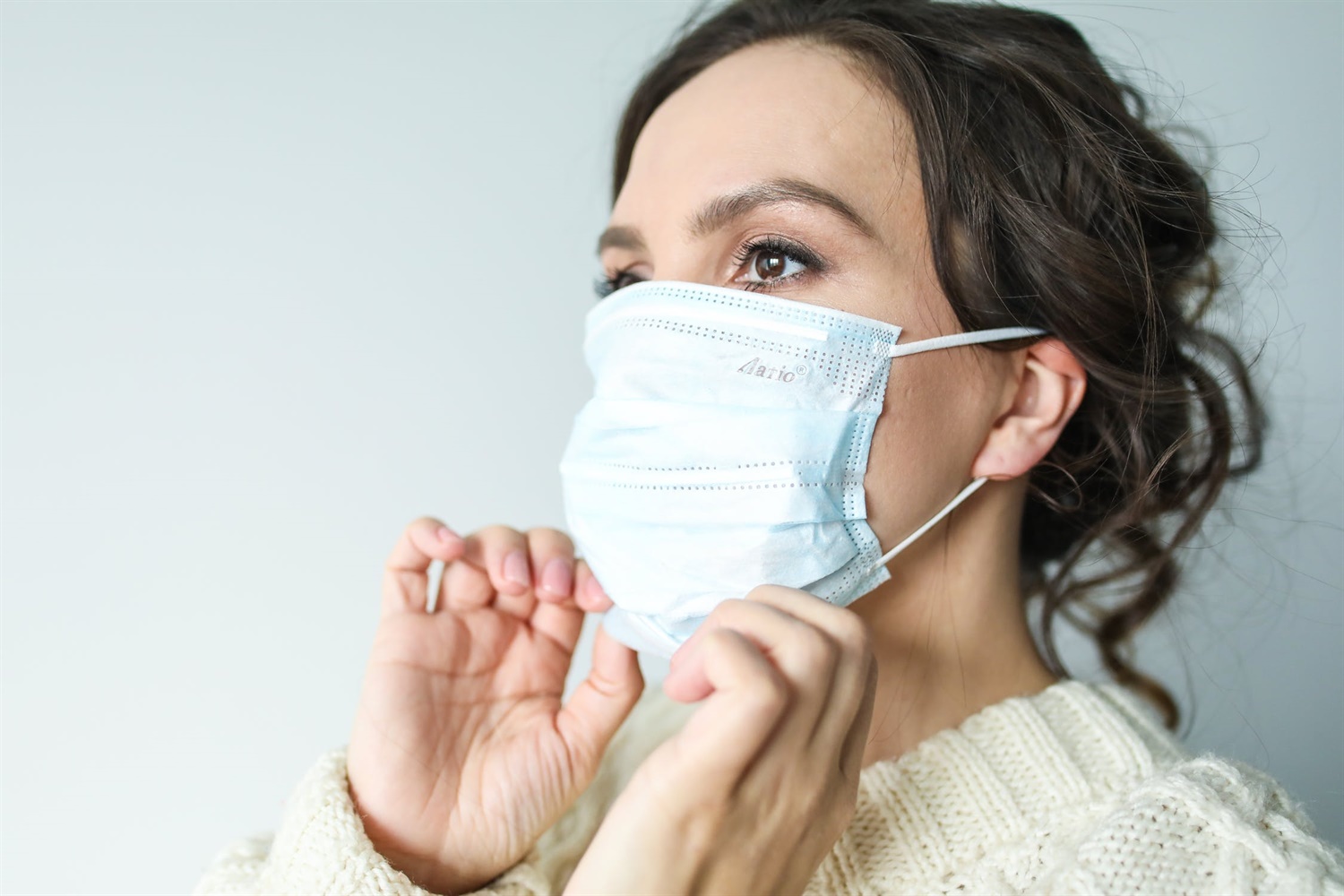
Guidance for shops, branches and close contact services to work safely during Coronavirus has been updated across the UK in response to the Omicron variant.
The measures have been put in place as a precaution due to cases of a variant of concern have been found in the UK. For example in England, changes have been made to self-isolation, testing after international travel and face coverings.
UK Summary table
| Country |
Last updated |
What's changed? |
Action |
| England |
30/11 |
- Contacts of individuals with a suspected or confirmed case of the Omicron variant, must self-isolate, regardless of their age or vaccination status
- Staff and customers must wear a face covering in shops and in premises that provide close contact services
|
View Guidance |
| Wales |
15/11 |
- Businesses, employers and other organisations, including activity and event organisers, must undertake a bespoke coronavirus risk assessment of their premises and activities and take reasonable measures to minimise exposure to, and the spread of, coronavirus based on that bespoke risk assessment.
- Everyone must still self-isolate for 10 days if they test positive for COVID-19.
- Every adult (18 or over) who is notified by a contact tracer that they have had close contact with someone who has tested positive for COVID-19 must self-isolate for 10 days, unless they have been fully vaccinated in the UK (you are considered to be fully vaccinated, if it has been at least two weeks (14 days) since you completed a full course of an approved vaccine against coronavirus more than 14 days before they had the close contact.
- From the 29 October, the Welsh Government is also strongly advising if someone in your household has symptoms or has tested positive and you are fully vaccinated or aged 5 to 17 you should self-isolate and take a PCR test. If your test is negative you can stop isolating. Children under 5 are no longer advised to take a test unless recommended by a doctor or if parents believe a test is absolutely necessary and in the best interest of the child.
- Adults and children over 12 must wear face-coverings in indoor public places, with the exception of hospitality settings such as restaurants, pubs, cafes or nightclubs, or for solemnisation of a marriage, formation of a civil partnership or an alternative wedding ceremonies.
|
View Guidance |
| Scotland |
18/10 |
- Places you need to wear a face covering include: shops, bars, restaurants, cafes and nightclubs, churches and other places of worship, public transport, including stations and bus stops, at work (including tradespeople working in people’s homes).
- You are also advised to wear a face covering outdoors in crowded places.
|
View Guidance |
| Northern Ireland |
30/09 |
- Shops must take all reasonable measures to manage risk.
- Face coverings must be worn in retail premises, including indoor areas of a shopping centre, unless exempt.
|
View Guidance |
Priority Areas for attention
As part of the communication to business leaders, the Government highlight the following SEVEN priority actions businesses can take to help protect staff and customers, as a precaution.
1. Complete a health and safety risk assessment that includes the risk from COVID-19
Complete a risk assessment, considering the measures set out in this guidance. Also consider reasonable adjustments needed for staff and customers with disabilities. Share it with all your staff. Keep it updated. Find out how to do a risk assessment.
2. Provide adequate ventilation
You should make sure there is an adequate supply of fresh air to indoor spaces where there are people present. This can be natural ventilation through opening windows, doors and vents, mechanical ventilation using fans and ducts, or a combination of both. In particular, you should identify any poorly ventilated spaces in your premises that are usually occupied and take steps to improve fresh air flow in these areas. In some places, a CO2 monitor can help identify if the space is poorly ventilated. Read the advice on air conditioning and ventilation on the HSE website.
3. Remind your staff and customers to wear a face covering in indoor spaces where required by law
Customers are required by law to wear face coverings in all shops, including premises providing close contact services. Staff must also wear face coverings in areas where they are likely to come into contact with members of the public. You must notify your customers that they are required to wear a face covering, for example by using signs. However, you are not responsible for enforcing face covering requirements.
4. Clean more often
It’s especially important to clean surfaces that people touch a lot. You should ask your staff and your customers to use hand sanitiser and to clean their hands frequently.
5. Turn away people with COVID-19 symptoms
Staff members or customers should self-isolate immediately if they show any symptoms of COVID-19 and book a PCR test as soon as possible, even if they are fully vaccinated. If they receive a positive COVID-19 test result, they must complete their full self-isolation period. They must also self-isolate if they have been informed by NHS Test and Trace that they are a contact of a person who has had a positive test result for COVID-19 – unless they’re exempt. If you know that a worker is self-isolating, you must not allow them to come to work. It’s an offence to do this. Find out more about who should self-isolate.
6. Enable people to check in at your venue
You’re no longer legally required to collect customer contact details, but doing so will support NHS Test and Trace to contact those who may have been exposed to COVID-19 so that they can book a test. You can enable people to check in to your venue by displaying an NHS QR code poster. You do not have to ask people to check in or turn people away if they refuse. If you choose to display a QR code, you should also have a system in place to record contact details for people who want to check in but do not have the app.
7. Communicate and train
Keep all your workers, contractors and visitors up-to-date on how you’re using and updating safety measures.
These are the priority actions to make your business safer during coronavirus, you should also read the full version of the guidance below.
View full advice
Displaying face covering posters
NAJ's StoreSafe and SiteSafe posters are available for members to use, presented in the table below, alongside new government posters presenting the NHS logo.
| Poster type |
With bleed for professional printing |
Without bleed for ‘in house’ printing |
| NAJ Member poster with face coverings |
Download |
Download |
| Government Omicron variant poster |
N/A |
Download |
Ends
Source: The NAJ