International Women's Day 2024
04 Mar 2024
Today (8th March, 2024) is International Women’s Day and this year the campaign theme is “Inspire Inclusion”. I think that most would agree that the UK jewellery industry has progressed significantly in recent times in terms of gender equality – we are certainly lucky to be able to count a healthy number of female role models in our midst. But does that mean that gender bias is no longer an issue? What does inclusivity look like in these more enlightened times?
The United Nations has added its own theme for IWD – Invest in women: Accelerate progress – to further promote how important gender equality is “if we want to create prosperous economies and a healthy planet”.
We spoke to four women working in four different aspects of the jewellery industry, to learn about their jewellery journeys and their experiences of and perspectives on this important topic.
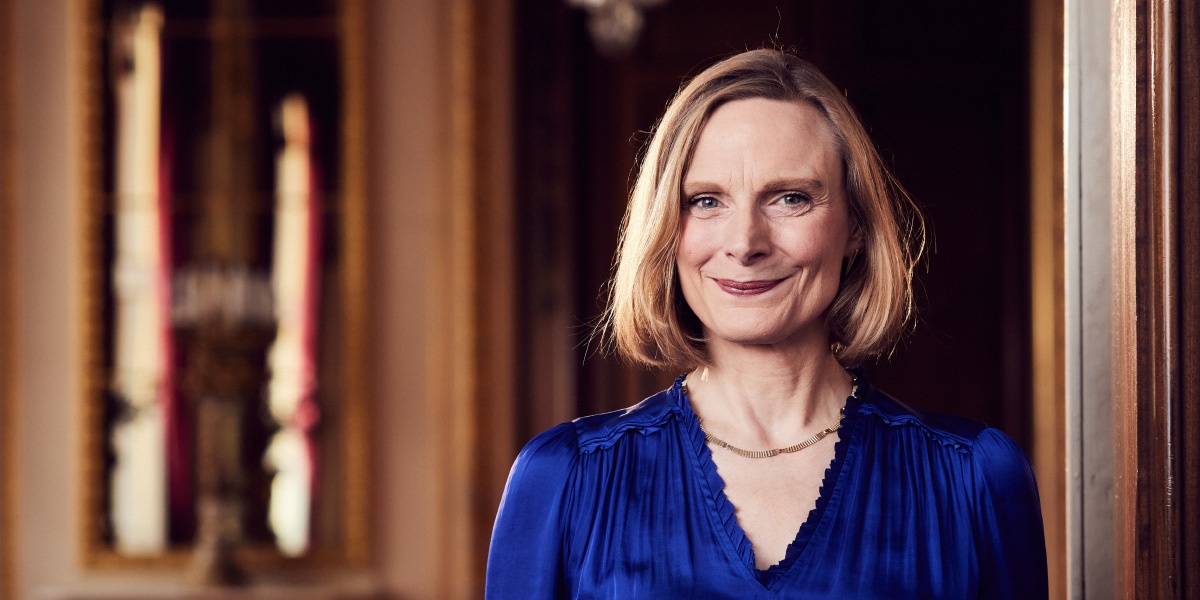
Photo by Alun Callender
ANNIE WARBURTON, CHIEF EXECUTIVE THE GOLDSMITHS’ COMPANY
Describe your jewellery journey
It all started with the magic of making daisy chains as a child, handmade and ephemeral. I still love jewellery that references the natural world, like Christopher Thompson-Royd’s exquisite floral pieces. More recently a career highlight was directing I Am Here a survey show of international art jewellery when I was creative director at the Crafts Council. And these days, as CEO at the Goldsmiths’ Company, I have the joy of being able to wear pieces from the Collection at Company events. Tom Rucker’s Polaris pendant, which plays so cleverly with light and colour, is a current favourite.
Would you say that being a woman has had an impact on your career?
Yes – always in a positive sense. What’s been challenging, especially in the early years, was not so much being a woman as being a solo parent right from the start. Doing it completely by yourself as a young woman looking after a tiny child whilst building a career is tough – much tougher than I was willing to admit at the time – and you miss out on all the after-hours events that can be key to building a network.
Have you ever been in a situation where you have had to call out inequality?
Although I’ve had my unfair share of everyday sexism and Me Too moments, I’ve more often found myself having to call out instances of racism than sexism. I believe that it’s on all of us to be good allies wherever we see instances of injustice. I do my best, and I’m always learning.
Do you think women have had to work harder to be more 'visible'?
In the past, women have had to work harder to be heard and recognised, for sure. There are scores of examples where a woman’s contribution was overlooked, even at the highest levels – Rosalind Franklin’s role in the understanding of DNA was overshadowed for decades. Although it’s changing now, women are often socialised to downplay their achievements when we should be celebrating our wins.
Does the jewellery sector actually offer workplaces where women can thrive?
Yes! There is a thriving community of female founders and entrepreneurs pioneering new ways of doing business and at the top of their game nationally and internationally. In my experience, what women jewellers often struggle with is confidence. They have the skills, the drive and the creativity, but it takes time to build self-belief. Programmes, like the Goldsmiths’ Centre’s Getting Started, give new jewellers the opportunity to recognise their strengths and build their enterprise skills.
What does 'Invest in Women: Accelerate Progress' mean to you in terms of our industry?
It’s about recognising women’s potential as creatives and entrepreneurs – investing in their skills, their creative potential and their businesses. Even now, women can struggle to access business finance – we need investors to recognise that women’s businesses create growth and jobs to fuel the creative economy.
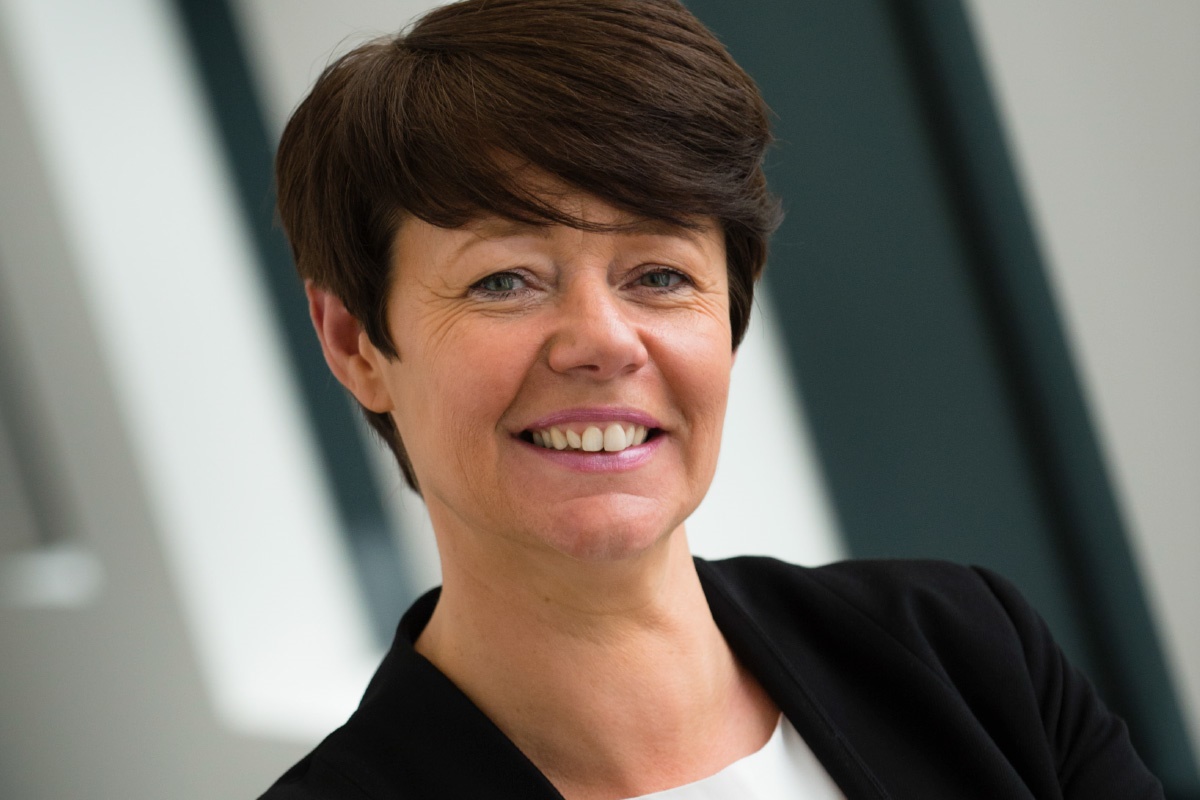
MARIE BRENNAN, SENIOR BUSINESS DEVELOPMENT MANAGER, ASSAY OFFICE BIRMINGHAM
Describe your jewellery journey
I joined the jewellery industry in 1986 at the age of 19 – It’s a long time ago! My career began working for the then British Jewellers Association providing administrative support to the growing trade association. I subsequently moved on to manage the Central Support Services function within the British Jewellery & Giftware Federation, which later changed its name to the British Allied Trades Federation. After 17 happy years there, I decided to move on, and I looked at sectors outside of jewellery, but guess what? I decided to stay in the sector that I had grown to love, and in 2003, I took up my role with the Birmingham Assay Office right in the heart of the industry, providing vital consumer protection. 20 years later, I still enjoy every moment of working with some of the most skilled and talented people, providing services to our amazing customers and brands.
Would you say that being a woman has had an impact on your career?
My experiences have all been really positive, and I have never felt any adverse impact on my career because I am a woman. I have always found the jewellery sector to be inclusive, with equality for men and women alike.
Have you ever been in a situation where you have had to call out inequality?
I am glad to say that in the nearly 38 years of my career in the jewellery sector, I have never had to call out inequality.
Do you think women have had to work harder to be more 'visible'?
I think in some sectors, yes, women do have to work harder to be more visible, but like I say, from my own experience, I have always felt that there are equal opportunities for men and women. The jewellery sector thrives on strong relationships across the supply chain and this can be achieved irrespective of gender with the right amount of dedication and commitment to building those lasting relationships.
Does the jewellery sector actually offer workplaces where women can thrive?
Very much so! When you look at all of the successful businesswomen in our sector, it’s clear that there are so many examples of where women have succeeded and thrived with some great businesses.
What does 'Invest in Women: Accelerate Progress' mean to you in terms of our industry?
Continuing to focus on closing the gender gap can only be only be positive for all business in all sectors, including jewellery.
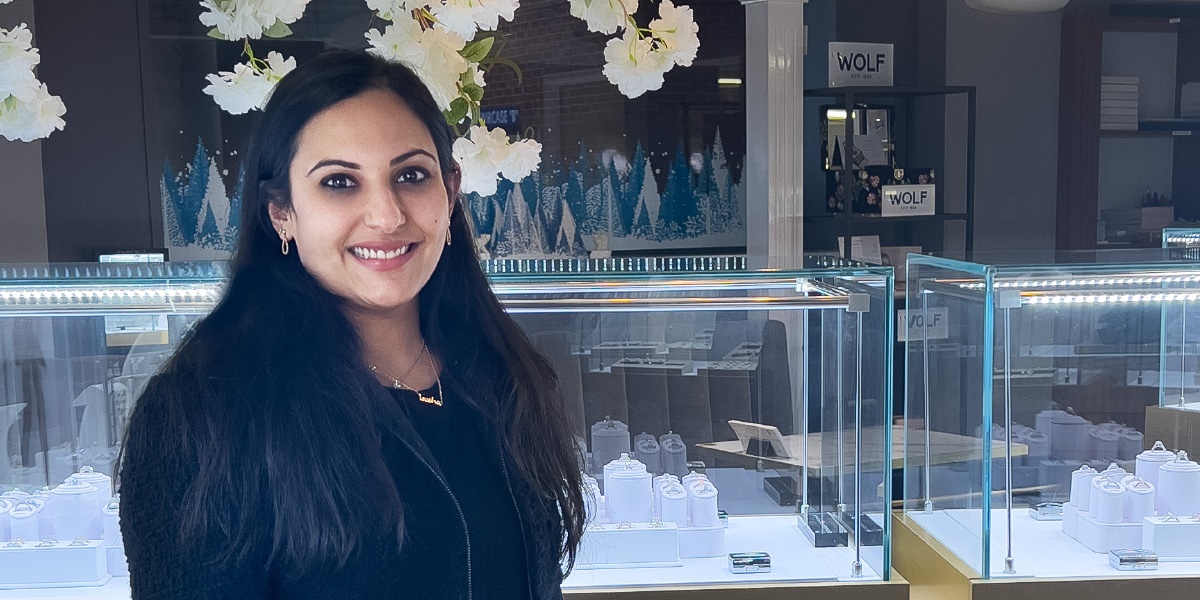
LEESHA KAUR, SONNY’S JEWELLERS AND MEMBER OF THE NAJ NATIONAL COMMITTEE
Describe your jewellery journey
Since 2015, my journey in the jewellery industry began with an opportunity at Sonny’s Jewellers. Utilising my ACCA qualification and auditing skills, I initially joined to streamline processes and procedures for what was supposed to be a three-month project to launch the business. However, nine years later, I find myself as the operations director with a team of 28 across two stores.
In 2020, I became a committee member of the NAJ, which has been a career highlight. Contributing to the betterment of other businesses in the industry has been incredibly rewarding, and engaging with industry peers has been motivating and inspiring.
Jewellery has always been in my DNA, passed down from both my grandfathers and my father. It's more than just a career; it's a reflection of my life and personality. Every day, I find joy and fulfilment in creating something truly unique for our customers, transforming moments into beautiful jewellery which will be cherished/treasured for generations to come.
Would you say that being a woman has had an impact on your career?
As a woman in the jewellery industry, I have encountered both challenges and opportunities. While there have been instances where gender bias may have influenced perceptions, I've also found that being a woman has allowed me to bring a unique perspective to my work. I've been able to connect with clients, suppliers and industry leaders on a deeper level, understanding their desires and preferences in a way that enriches our design, procurement and business processes.
Have you ever been in a situation where you have had to call out inequality?
Yes, there have been occasions where I've felt compelled to call out inequality within the industry. Whether it's advocating for fair treatment and representation of women in leadership roles or challenging stereotypes and biases, I believe it's crucial to speak up and actively work towards creating a more inclusive and equitable environment for all.
Do you think women have had to work harder to be more 'visible'?
Women in all industries including jewellery often face extra hurdles to gain recognition despite their undeniable talents. However, by advocating for progress and challenging outdated norms, we are fostering positive change. It's encouraging to see more women joining the jewellery sector, including in roles such as store management, production and goldsmithing within our organisation, indicating a move towards inclusivity and brighter opportunities for women in the industry.
Does the jewellery sector actually offer workplaces where women can thrive?
Many jewellery companies are taking steps to create inclusive workplaces where women can thrive. By fostering diversity, providing mentorship opportunities, and promoting gender equality, the industry can become a place where all individuals, regardless of gender, can succeed.
What does 'Invest in Women: Accelerate Progress' mean to you in terms of our industry?
'Invest in Women: Accelerate Progress' signifies the importance of empowering women within the jewellery industry. By investing in women's education, training, leadership development and entrepreneurship, we build their confidence and drive positive change to propel the industry forward. When women are given equal opportunities and support, they contribute their unique talents and perspectives to the industry's growth and innovation, ultimately benefiting us all.
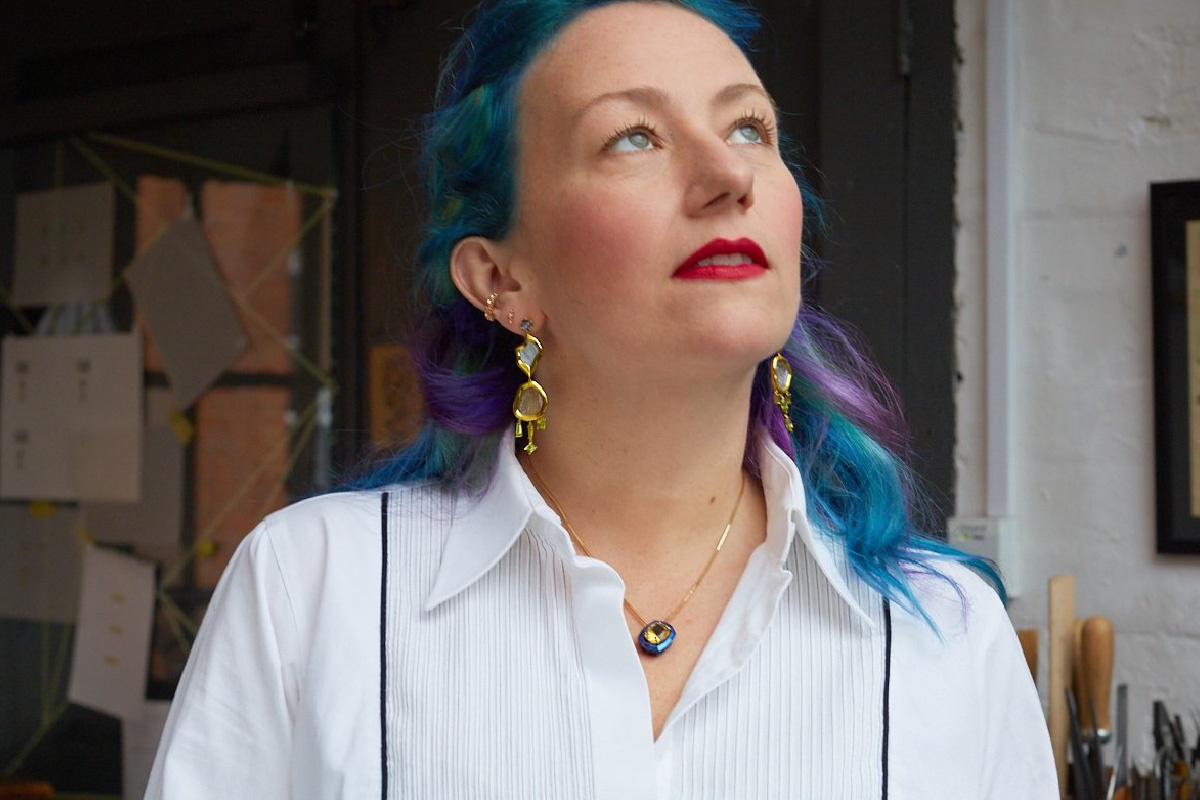
SUSI SMITHER FGA, GIA, FOUNDER OF THE ROCK HOUND
Describe your jewellery journey
Recently, I was asked if I went down the formal training route, and it made me look back over my jewellery journey and realise that I'd pasted it all together myself. Having already gone to uni to study Maths & Management, I didn't feel I could go back to the beginning when I first discovered jewellery making at 29, so I decided which bits were important to study, how I should study, and where I should study. Then, I pieced it all together over many years. I still wonder whether I took the more challenging route and should have returned to uni.
I've now been in the industry for 15 years. I've had a silver jewellery business, been a bench jeweller training in Hatton Garden, a stock controller at Holts handling their gems, studied with the GIA jewellery design and deep-dived into a full-time gemmology diploma with Gem-A. It wasn't until 2015 that I felt like all the pieces were together, and I was confident enough to launch my jewellery brand, The Rock Hound. Since then, it's been a rollercoaster. I am proud of everything I've achieved, including winning multiple awards and now being stocked with Selfridges through the curation of La Maison Couture.
It can be a challenging industry to get a foothold in, and now I can share my knowledge as a judge and mentor with the Bright New Gems graduate competition – a highlight of my year.
I'm also immensely proud that I became a Freeman of The Worshipful Company of Goldsmiths last May. It's a huge honour to follow in the footsteps of other esteemed goldsmiths who've joined over the near 700 years and I feel deeply passionate about serving our industry as best I can.
Over the years, I've enjoyed having a foot in the jewellery industry and the gem trade (as a fellow of the Gemmological Association of Great Britain). Having finished my studies in gemmology, I wanted to know more about where gemstones came from, so I embarked on two seminal field trips to Tanzania and Sri Lanka, both with the Scottish Gemmological Association.
It was whilst I was scrabbling around on a pile of tailing next to an artisanal sapphire mine that I really got this sense of the disparity between the work the miners who extract the gemstones and gold do and the highly polished and glossy consumer-facing industry. I found this hard to swallow, so when I started my jewellery brand, I made sure that I knew where my stones were coming from and that I could trace my gold back to the source, and here I am almost ten years later, and the industry is catching up which is great. These are not new conversations anymore but hot topics in our industry, and I'm really proud of how far we've all come.
Would you say that being a woman has had an impact on your career?
I love being a woman, and I wouldn't have it any other way - it definitely gives me an extra edge of tenacity. I've never seen a glass ceiling I thought I couldn't smash. In fact, that's the challenge, so it makes me set myself a very high bar. I don't necessarily want to beat the men in our industry, but I want to be the best woman that I can be.
Lockdown also helped lift the veil on how people juggle life and work; that's been a really positive thing. For a long time, women who had big careers could never even mention their families, but now there's a lot more openness, and I relish that. I'm at a stage in my life where I'm sandwiched between generations, supporting my Mum and our young family. It's a seesaw with my energy and time. I do find it hard to fully step into work or family life fully and switch off from the other, yet men seem to have the capacity to compartmentalise. Luckily, women can multitask!
Have you ever been in a situation where you have had to call out inequality?
Sometimes, it's easier to call it out or even to see inequality when you're one step removed, and so in my career, I have had times when I've helped enlighten management about what's going on.
Do you think women have had to work harder to be more 'visible'?
Damn right they have, and isn't it crazy that it's still going on. We're still aware of this inequality between men and women, so much so that there are still important roles where we are still waiting for the first woman to be appointed even though we know for sure they'd be far better at the job – President of the USA, for instance.
However, the great thing about being a woman is we've got great insight, so whilst we may have been working harder, we've also been clever about it, so our achievements don't just match our male counterparts but raise the standards.
Does the jewellery sector actually offer workplaces where women can thrive?
I'm so proud to be a member of the jewellery industry because, yes, women can totally thrive. Even though we are an industry steeped in tradition, we are progressive and have recognised and championed change. Whenever I attend an industry event, seeing equal, if not more, women in the room is refreshing. We have a growing community that openly shares knowledge and supports each other, which is especially pertinent as many jewellers are self-employed.
What does 'Invest in Women: Accelerate Progress' (The United Nations's theme for IWD) mean to you in terms of our industry?
There's something deeply unselfish about women when they set out to achieve something, so this epitomises innovative industry. Through investing in women, it's been proven they will not just take the money to feed themselves but will plant roots. That innate nurturing instinct present in women means they will help those around them to prosper and lift everyone with them at the same time. It's actually a forward-thinking approach that Moyo Gems has used when empowering artisanal minors in East Africa, such as their work with the Tanzanian Women Miners Association (TAWOMA). Here, they work solely with the women because when they start making additional money, they use it to support the community and share amongst all the families, which has been a vital way of bringing change to the whole community.
A wonderful example of this closer to home is Amanda Mansell's incredible work launching The Forge in Hatton Garden. She's created an amazing training and workspace and is using it as a platform to promote other jewellers and their work. Helping inspire other women to push themselves further has proved to be a catalyst for accelerated progress.
Source: National Association of Jewellers